

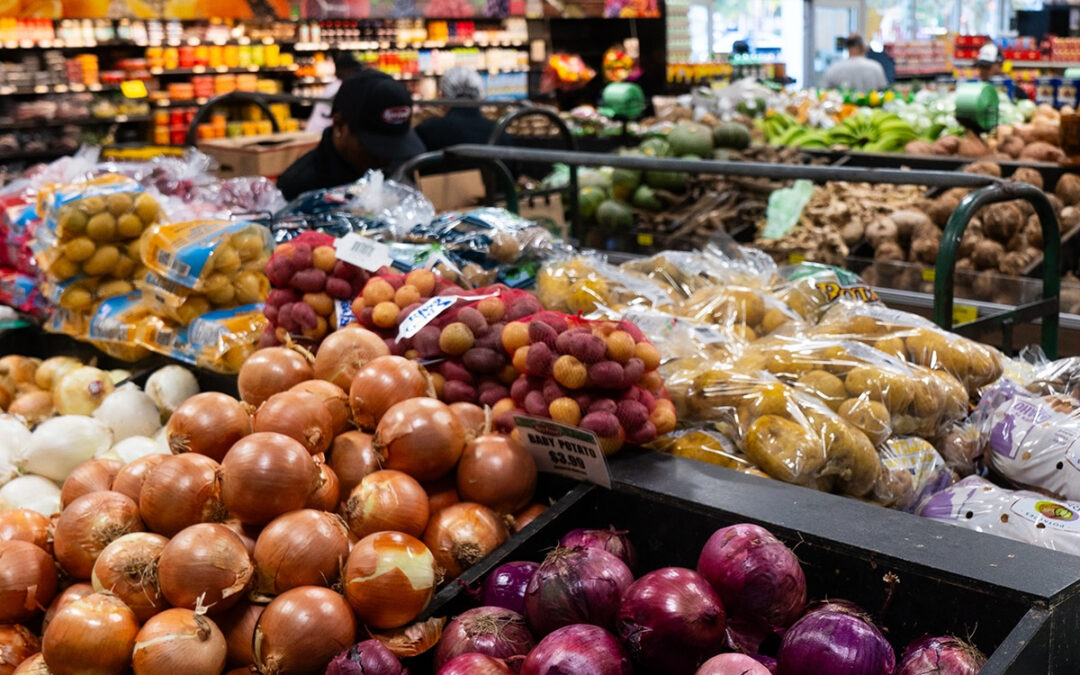
Walk into a well-run grocery store on a busy Saturday and everything looks effortless. Shelves are full, produce is fresh, and the items you came for are exactly where you expect them. What you do not see is the planning, systems, and daily decisions that make that possible.
For any Margate grocery store, managing high-demand products is one of the most operationally demanding parts of the business. Get it right and shoppers barely notice. Get it wrong and empty shelves, inconsistent stock, and frustrated customers follow quickly.
Here is how grocery stores manage the pressure of keeping popular products available, and what it means for your experience as a shopper.
What Makes a Product High-Demand in a Margate Grocery Store
Not every product moves at the same pace. Fast moving grocery items are the ones that cycle through inventory quickly and consistently, and they vary depending on the community a store serves.
In Margate, a city in Broward County with a diverse population and a large share of family households, high-demand products tend to include fresh produce staples, proteins like chicken and ground beef, dairy essentials, rice and dried beans, and culturally specific pantry items that reflect local cooking traditions.
Seasonal factors also shift demand. Grilling season pushes meat sales higher. Back-to-school months drive lunchbox staples. Holiday periods create spikes across multiple categories at once.
A store that understands its specific community shops better for that community. Generic demand assumptions based on national averages often miss what local shoppers actually need on a given week.
How Inventory Turnover Supermarket Practices Keep Shelves Reliable
Inventory turnover supermarket performance measures how quickly products move off the shelf and get replaced. High turnover on fresh categories like produce, meat, and dairy is generally a sign of good store health. It means products are moving, freshness is maintained, and waste is minimized.
Low turnover, on the other hand, can signal overstocking the wrong items, poor product rotation, or a mismatch between what the store is ordering and what shoppers are actually buying.
For high-demand products specifically, the goal is not to simply order more. It is to order the right amounts at the right frequency so that shelves stay full without excess stock sitting long enough to create waste or freshness problems.
Stores that manage inventory turnover well tend to restock during off-peak hours, rotate products so older stock moves first, and adjust order quantities based on recent sales patterns rather than fixed schedules.
What Demand Forecasting Retail Looks Like at the Store Level
Demand forecasting retail is the process stores use to anticipate how much of a product they will need before they actually run out. It sounds technical, but at the store level it comes down to using sales data, seasonal trends, and local knowledge to make smarter ordering decisions.
A store that relies only on fixed weekly orders will consistently run short during high-traffic periods and overstock during slower ones. A store that forecasts demand actively can adjust before a gap appears on the shelf rather than after a customer notices it.
For Margate stores specifically, good demand forecasting means accounting for:
- Weekend shopping surges when more households shop in a compressed window
- Seasonal peaks tied to South Florida weather patterns and local holidays
- Community-specific demand for products that may not rank as high nationally
- Promotional cycles where advertised items see sharp short-term demand spikes
The stores that handle this best treat forecasting as an ongoing process rather than a one-time setup. They review what sold, what sat, and what ran out, and they adjust ordering accordingly every cycle.
How Stock Availability Grocery Standards Affect the Shopping Experience
Stock availability grocery performance is ultimately what shoppers notice, even if they never think of it in those terms. When a product is reliably on the shelf every time you come in, you stop thinking about it. When it is missing frequently, you start shopping somewhere else.
For high-demand items, stock availability is especially important because these are the products shoppers plan around. Running out of everyday staples like eggs, bread, or cooking oil does not just inconvenience a customer. It creates doubt about whether the store can be relied on for weekly shopping at all.
Strong stock availability depends on a combination of accurate forecasting, efficient receiving and restocking processes, and fast response when a product moves faster than expected. No system is perfect, but stores that have reliable practices in place recover from gaps faster and keep shelves fuller more consistently.
The Connection Between Staff and Shelf Performance
Systems and software can support better inventory management, but the day-to-day execution still depends on people.
Store staff who understand which products are high-demand, how to rotate stock properly, and when to flag low inventory before it becomes an empty shelf are a direct part of how well a store performs for shoppers.
This is especially true in smaller neighborhood-oriented stores where the relationship between staff knowledge and shelf quality is more direct than in large format retailers with fully automated systems. A department manager who knows that a particular cut of meat moves fast on Fridays, or that a specific produce item needs to be restocked twice on Saturdays, is making real-time decisions that no algorithm fully replaces.
What Shoppers Can Look for as a Sign of Good Inventory Management
You do not need to know a store’s backend systems to get a sense of how well it manages inventory. There are visible signs worth paying attention to.
Shelves that are consistently full across departments, not just in some sections, are a basic indicator of reliable restocking practices. Produce that looks fresh throughout the day, not just in the morning, suggests active rotation and timely restocking. Availability of culturally specific and community-oriented products on a regular basis signals that the store is ordering based on who actually shops there, not generic demand templates.
On the other hand, recurring gaps in the same products, items that seem to run out predictably before the next delivery, or shelves that look picked over by mid-afternoon are signs of forecasting or restocking problems that affect shoppers every week.
Why This Matters More During High-Traffic Periods
Managing fast moving grocery items is hardest exactly when it matters most: weekends, holidays, and promotional periods when shopper volume spikes and demand for popular products surges.
These are the periods that test whether a store’s inventory practices are actually reliable or just adequate under normal conditions. A store that handles everyday demand well but consistently falls short during busy periods creates a frustrating pattern for regular shoppers who plan their trips around those windows.
Strong inventory management means building capacity for these peaks in advance, not scrambling to recover after shelves are empty. That requires good demand forecasting retail practices, sufficient receiving capacity, and staff prepared to execute faster restocking cycles during high-volume days.
What Good Inventory Management Means for You as a Shopper
The practical benefit of shopping at a store with strong inventory practices is straightforward. You spend less time hunting for substitutes, make fewer wasted trips, and can actually plan meals around what you know will be available.
That reliability compounds over time. When a store earns your trust on stock availability, you stop treating every shopping trip as uncertain. You build routines, shop more efficiently, and get more out of every visit.
For households in Margate that shop weekly and depend on consistent access to specific ingredients and staples, that kind of reliability is part of what makes a grocery store worth returning to regularly.
Shop Where the Shelves Are Always Ready
A Margate grocery store that manages high-demand products well does not just look stocked. It stays stocked, week after week, because the systems and people behind the shelves are built around what local shoppers actually need.
Key Food Coconut Creek brings that kind of neighborhood-focused inventory management to every department, from fresh produce and quality meats to pantry staples and culturally familiar products. If you are looking for a store where what you came for is actually there when you arrive, Key Food Coconut Creek is built around exactly that kind of reliability.
FAQs
What are fast moving grocery items in a Margate grocery store?
These are products that sell quickly and need frequent restocking, typically fresh produce, proteins, dairy, and staple pantry items. In Margate, community-specific products tied to local cooking traditions also tend to move at a high pace.
What is inventory turnover in a supermarket?
Inventory turnover supermarket performance measures how quickly products are sold and replaced. High turnover in fresh categories signals good freshness management and accurate ordering. Low turnover can point to overstocking or a mismatch between ordering patterns and actual demand.
How does demand forecasting work at the grocery store level?
Demand forecasting retail involves using sales history, seasonal trends, and local shopping patterns to anticipate how much of a product a store will need before it runs out. It helps stores stay stocked during high-traffic periods without over-ordering during slower ones.
Why does stock availability matter so much in grocery shopping?
Stock availability grocery reliability directly affects whether shoppers can trust a store for weekly shopping. When high-demand items run out frequently, it forces shoppers to look elsewhere and undermines confidence in the store’s ability to meet regular needs.
How can shoppers tell if a grocery store manages inventory well?
Look for consistently full shelves across all departments, fresh produce throughout the day, and reliable availability of community-specific products. Recurring gaps in the same items are a sign of forecasting or restocking problems.
Does community demographics affect what a Margate grocery store stocks?
Yes, significantly. Stores that understand local demand stock products that reflect how nearby households actually cook and eat, which leads to better availability of the items that matter most to regular shoppers in that specific community.