

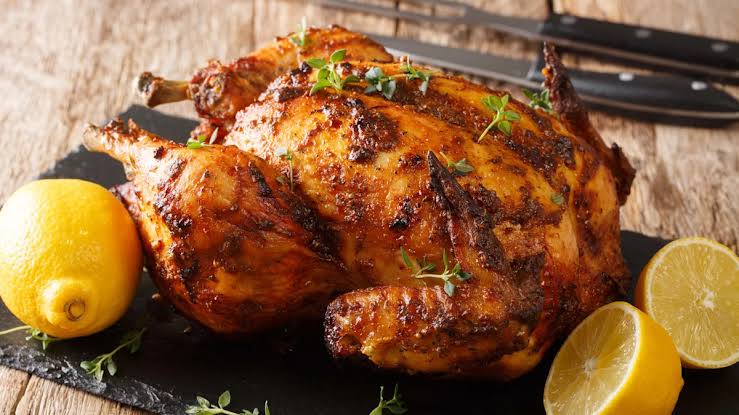
There is a reason rotisserie chicken is one of the most reliably satisfying things you can pick up at a grocery store. The skin is crisp and deeply seasoned. The meat is juicy. The smell alone is enough to make the decision before you even reach the deli counter.
But what actually goes into that seasoning? And why does the version at the store taste different from the roasted chicken most people make at home?
The answer is not a single secret ingredient. It is a specific combination of spices applied in a specific way, cooked using a method that most home ovens cannot fully replicate but can come reasonably close to. This guide breaks down the full rotisserie chicken seasoning profile, walks through how to build your own blend at home, and covers the practical questions most people have about rotisserie chicken: how many calories it contains, whether it is actually healthy, how to reheat it without drying it out, and what to do with the leftovers once the first meal is done.
What Makes Rotisserie Chicken Seasoning Different
Before getting into the specific spices, it helps to understand why rotisserie chicken tastes the way it does beyond just the seasoning.
The rotisserie method cooks the chicken while it rotates continuously on a spit over consistent heat. That rotation does two things home roasting does not. First, it bastes the chicken in its own fat continuously as it spins, which keeps the meat moist and builds up layers of caramelized crust on the skin. Second, it exposes every surface of the chicken to even heat rather than having one side sitting against a pan, which changes how the seasoning develops and how evenly the skin crisps.
The seasoning itself is applied generously, often both under the skin directly onto the breast meat and over the surface of the entire bird. That direct contact with the meat means flavor penetrates rather than sitting only on the exterior.
The Core Spices in Rotisserie Chicken Seasoning
Most commercial rotisserie chicken seasoning blends share a common foundation with variations depending on the store or brand. The base spice profile looks like this.
Paprika is the dominant spice in most rotisserie blends and the one responsible for the deep reddish-brown color on the skin. Smoked paprika adds depth and a subtle woodsy note that mimics the effect of open-fire cooking. Sweet paprika softens the blend and rounds out the color. Most good homemade blends use a combination of both.
Garlic powder provides the savory backbone of the seasoning. It penetrates the meat more evenly than fresh garlic, which can burn on the exterior during a long roast. Most rotisserie blends use a generous amount of garlic powder as the second most prominent flavor after paprika.
Onion powder works alongside garlic powder to build the savory base. It is milder and sweeter than garlic and rounds out the blend without competing with it.
Salt is technically not a spice but is the most functionally important component of the seasoning. Salt applied to the surface of the chicken draws moisture toward the skin through osmosis before cooking, then pulls it back into the meat during roasting. That process is a significant part of why rotisserie chicken stays juicy. Most commercial blends are heavily salted, which contributes to the depth of flavor that is hard to fully replicate at home without matching the salt level.
Black pepper adds heat and complexity without sharpness. Coarser ground pepper contributes slightly different texture and bite than fine-ground, and most commercial blends lean toward medium grind.
Dried thyme and dried oregano provide the herbaceous layer in the blend. Thyme in particular is a classic pairing with roasted poultry and appears in nearly every rotisserie seasoning formulation. Oregano adds a slightly more assertive herbal note that complements the paprika well.
Cayenne pepper appears in small quantities in most blends, enough to add warmth without making the chicken spicy. It amplifies the other flavors rather than asserting itself independently.
Cumin appears in some blends, particularly those with a Latin or Caribbean influence, and adds an earthy warmth that sits underneath the other spices. It is not universal across all rotisserie blends but is common enough to be worth including in a home recreation.
Brown sugar in small quantities contributes to caramelization on the skin during high heat cooking. It balances the salt and spices and helps build the crust color that distinguishes rotisserie skin from plain roasted chicken skin.
How to Build Your Own Rotisserie Chicken Seasoning Blend
The following is a home blend that produces results close to grocery store rotisserie chicken when applied correctly to a whole bird.
Base Blend for One Whole Chicken:
- 2 teaspoons smoked paprika
- 1 teaspoon sweet paprika
- 1 and a half teaspoons garlic powder
- 1 teaspoon onion powder
- 1 and a half teaspoons kosher salt
- 1 teaspoon black pepper, medium grind
- Half teaspoon dried thyme
- Half teaspoon dried oregano
- Quarter teaspoon cayenne pepper
- Half teaspoon cumin
- 1 teaspoon brown sugar
- 1 tablespoon neutral oil or softened butter for binding
How to Apply It:
Mix all dry spices together first, then combine with the oil or butter to form a paste. Pat the chicken completely dry with paper towels before applying the seasoning. Dry skin is the single most important factor in getting a crisp exterior.
Work the seasoning paste under the skin of the breast and thighs by gently separating the skin from the meat with your fingers without tearing it. Then apply the remaining paste over the entire exterior of the bird, including the legs, wings, and back.
For best results, apply the seasoning 24 hours before cooking and refrigerate the chicken uncovered. The extended rest time allows the salt to draw moisture to the surface and back in, seasoning the meat from within rather than only the exterior.
How to Roast It at Home to Get Close to the Real Thing
A standard oven cannot spin the chicken, but you can compensate for the lack of rotation with a few technique adjustments.
Use a roasting rack inside a pan rather than setting the chicken flat in a baking dish. Elevating the chicken allows air to circulate underneath it and prevents the bottom from steaming rather than roasting.
Roast at 425 degrees Fahrenheit rather than the lower temperatures most recipes call for. High heat is what develops the caramelized crust that distinguishes rotisserie skin. Starting at high heat for the full cook produces better skin than a low-and-slow approach finished with a blast of heat.
Rotate the pan halfway through cooking to account for hot spots in the oven. If you have a convection setting, use it. Convection circulates air around the bird in a way that approximates the effect of rotation and produces noticeably better skin than standard bake mode.
The chicken is done when a thermometer inserted into the thickest part of the thigh, away from the bone, reads 165 degrees Fahrenheit. A standard four-pound bird takes approximately one hour to one hour fifteen minutes at 425 degrees.
Rest the chicken for at least 10 minutes before carving. Cutting into it immediately releases the juices before they have redistributed, which is what produces dry sliced chicken.
Rotisserie Chicken Calories: What You Are Actually Eating
Rotisserie chicken calories vary depending on which part of the bird you eat and whether you include the skin.
A general breakdown for a standard grocery store rotisserie chicken:
Breast meat without skin: approximately 170 to 190 calories per four-ounce serving, with roughly 35 grams of protein and 3 to 4 grams of fat.
Breast meat with skin: approximately 220 to 240 calories per four-ounce serving, with 30 to 32 grams of protein and 10 to 12 grams of fat.
Thigh meat without skin: approximately 190 to 210 calories per four-ounce serving, with 26 to 28 grams of protein and 10 grams of fat.
Thigh meat with skin: approximately 250 to 280 calories per four-ounce serving, with 24 to 26 grams of protein and 16 to 18 grams of fat.
The skin roughly doubles the fat content of any piece of chicken. Whether that matters depends on your nutritional priorities. The fat in chicken skin is a mix of saturated and unsaturated fat rather than predominantly saturated, which changes the nutritional picture compared to, say, processed meat with similar fat content.
Is Rotisserie Chicken Healthy?
The answer is yes with some specific context.
Rotisserie chicken is one of the highest-protein, lowest-processed animal protein options available at the grocery store. A single bird provides enough protein to anchor two to three days of meals for a two-person household. It contains no breading, no fillers, and no significant carbohydrate load. It is naturally gluten-free in most formulations.
The nutritional consideration worth noting is sodium. Commercial rotisserie chicken is heavily salted both in the seasoning rub and often through an injection brine used before cooking. A four-ounce serving of store rotisserie chicken typically contains 350 to 450 milligrams of sodium, and some commercial preparations run higher. For households managing sodium intake, this is worth factoring into daily totals rather than treating rotisserie chicken as a low-sodium protein option.
The other consideration is fat content in the skin. Eating the skin consistently adds meaningful fat to the overall macronutrient picture. For households where this matters, removing the skin before eating reduces the fat content significantly while keeping the protein value intact.
Overall, rotisserie chicken is a practical and nutritionally solid protein source that compares favorably to most ready-to-eat protein options at the same price point. The sodium is the one honest caveat for specific populations.
How to Reheat Rotisserie Chicken Without Drying It Out
Reheating is where most people go wrong with leftover rotisserie chicken. The microwave is the fastest method and the worst one for texture. It heats unevenly, drives moisture out of the meat rapidly, and turns the skin soft and rubbery.
These methods produce significantly better results.
Oven reheating: Place the chicken pieces in a baking dish, add two to three tablespoons of chicken broth or water to the bottom of the dish, and cover tightly with foil. Heat at 325 degrees Fahrenheit for 20 to 25 minutes until warmed through. Remove the foil for the final five minutes if you want the skin to re-crisp slightly. This method keeps the meat moist and comes closest to the original texture.
Skillet reheating for picked meat: If you are reheating pulled or shredded chicken rather than bone-in pieces, a covered skillet with a small splash of broth over medium-low heat works well and takes less than ten minutes. Stir occasionally and keep the heat low enough that the chicken warms through rather than cooking further.
Air fryer reheating: For anyone prioritizing crispy skin over juicy meat, the air fryer produces the best skin texture of any reheating method. Run at 375 degrees for six to eight minutes. The meat will be slightly drier than oven reheating, but the skin will genuinely crisp. Brush the skin lightly with oil before air frying for the best result.
What to avoid: Do not microwave rotisserie chicken on high for more than 30 seconds at a time without covering it with a damp paper towel and checking frequently. If you must use the microwave, low power in short bursts with a covered dish and a splash of broth produces more tolerable results than full power.
Leftover Rotisserie Chicken Recipes Worth Building Into Your Routine
A whole rotisserie chicken picked clean yields enough meat for multiple meals, which is part of what makes the price-per-serving calculation so favorable. These leftover rotisserie chicken recipes are practical and build on ingredients most households already have.
Rotisserie Chicken Tacos: Shred the remaining thigh meat and warm it briefly in a skillet with cumin, a pinch of chili powder, and a splash of lime juice. Serve in corn tortillas with diced white onion, cilantro, and salsa. Ready in under ten minutes.
Chicken and Rice Soup: Simmer the carcass in water with a halved onion, a few garlic cloves, and a bay leaf for 45 minutes to build a quick broth. Strain it, return it to the pot, add shredded leftover chicken, cooked rice, diced carrots, and celery, and season with salt, pepper, and thyme. This is the most efficient use of the entire bird including the carcass.
Chicken Quesadillas: Combine shredded breast meat with shredded cheese and any leftover roasted vegetables or canned black beans. Cook in a skillet until the cheese melts and the tortilla is golden. Slice and serve with sour cream and salsa.
Rotisserie Chicken Salad: Chop breast meat finely and mix with mayonnaise, Dijon mustard, diced celery, and a squeeze of lemon. Season with salt and pepper. Serve on crackers, in a sandwich, or over mixed greens. Keeps in the refrigerator for three days.
Chicken Fried Rice: Shred leftover chicken into bite-sized pieces. Cook day-old rice in a hot oiled skillet until it starts to crisp, add the chicken, a scrambled egg, frozen peas, soy sauce, and sesame oil. This is one of the most efficient leftover rotisserie chicken recipes because it uses rice that would otherwise sit in the refrigerator.
Chicken Pasta: Toss shredded chicken with cooked pasta, jarred marinara or alfredo sauce, and a handful of grated parmesan. Warm through in the pan and serve immediately. Weeknight dinner under 15 minutes using ingredients that are almost always already at home.
Pick Up Your Rotisserie Chicken at Key Food Coconut Creek
A well-seasoned, freshly cooked rotisserie chicken is one of the best value proteins available at a grocery store in Margate, FL, and it becomes even more valuable when you know how to use the whole bird across two or three days of meals.
Key Food Coconut Creek keeps rotisserie chickens available through the week, seasoned and cooked to the kind of quality that makes the first meal easy and the leftovers worth planning around. Stop in for your next one and put the seasoning guide, the reheating tips, and the leftover recipes to work the same week.
FAQs
What spices are in rotisserie chicken seasoning?
The core spices are smoked paprika, sweet paprika, garlic powder, onion powder, salt, black pepper, dried thyme, dried oregano, and cayenne. Many blends also include cumin and a small amount of brown sugar to support skin caramelization during high-heat cooking.
How do I make rotisserie chicken seasoning at home?
Combine 2 teaspoons smoked paprika, 1 teaspoon sweet paprika, 1.5 teaspoons garlic powder, 1 teaspoon onion powder, 1.5 teaspoons kosher salt, 1 teaspoon black pepper, half a teaspoon each of dried thyme, oregano, and cumin, a quarter teaspoon cayenne, and 1 teaspoon brown sugar. Mix with a tablespoon of oil or butter and apply under and over the skin before roasting.
How many calories does rotisserie chicken have?
Rotisserie chicken calories range from approximately 170 calories per four-ounce serving for skinless breast meat to around 280 calories per four-ounce serving for thigh meat with skin. Removing the skin reduces fat content significantly while keeping protein levels high.
Is rotisserie chicken healthy?
Rotisserie chicken is a high-protein, minimally processed protein source with no breading or fillers. The main nutritional consideration is sodium, as commercial preparations are typically heavily salted and can contain 350 to 450 milligrams of sodium per four-ounce serving. For most households it is a nutritionally solid ready-to-eat protein option.
What is the best way to reheat rotisserie chicken?
The oven method produces the best results for keeping meat moist: place pieces in a covered baking dish with a splash of broth and heat at 325 degrees Fahrenheit for 20 to 25 minutes. The air fryer produces the crispest skin at 375 degrees for six to eight minutes. Avoid high-power microwave reheating, which dries out the meat quickly.
What can I make with leftover rotisserie chicken?
Leftover rotisserie chicken works well in tacos, chicken salad, fried rice, pasta, quesadillas, and soup. The carcass can be simmered into a quick homemade broth that anchors the soup and extends the value of the whole bird across multiple meals.
Why does store rotisserie chicken taste better than home-roasted chicken?
The rotisserie method continuously bastes the chicken in its own fat as it rotates, building a caramelized crust while keeping the meat moist. Combined with heavy seasoning applied under the skin and often a salt brine injection before cooking, the method produces a depth of flavor and skin texture that standard home oven roasting approximates but does not fully replicate.