

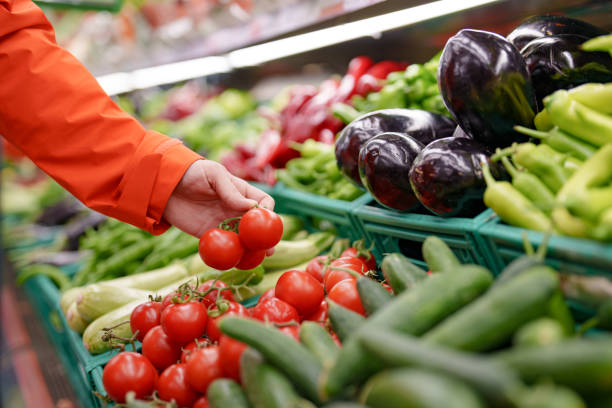
Fresh produce is the hardest grocery category to shop well. Everything else in the store is packaged, labeled, and shelf-stable enough that the decision is mostly just grabbing the right item. Produce is different. Two mangoes sitting side by side can look nearly identical and perform completely differently at home. One is perfectly ripe. The other is three days away from being ready, or already past it.
That gap between what produce looks like on the shelf and how it actually performs at home is what separates confident produce shoppers from frustrated ones. And in a grocery store in Margate, FL, where the local community cooks with a wide range of fruits and vegetables tied to Caribbean, Latin American, and South Florida food traditions, getting produce selection right matters more than it does in markets with simpler produce sections.
This guide covers the sensory checks that work across most produce, specific ripeness guidance for the fruits and vegetables most common in Margate kitchens, how to plan your produce shopping based on when you will actually use things, and how to store produce at home in Florida’s humidity. It closes with a quick inspection checklist you can use on every trip.
Why Produce Is the Hardest Grocery Category to Shop Well
Every other department in a grocery store gives you reliable signals. A can has an expiration date. Packaged meat has a sell-by label. Dairy tells you clearly when it turns. Produce gives you none of that. What you get instead is a short window of ripeness and a set of physical cues that take practice to read correctly.
The challenge is compounded by the fact that produce quality varies within a single display. Not every avocado in the bin is at the same stage. Not every tomato on the stack is equally firm. Shopping well in the produce section means evaluating individual items rather than assuming the display is uniform.
Florida’s climate adds another layer. Heat and humidity accelerate ripening outside the store too, which means produce that was two days from ready when you bought it can be fully ripe, or starting to turn, within 24 hours if stored incorrectly at home. Understanding how to pick and how to store are two parts of the same skill.
The Four Sensory Checks That Work Across Most Produce
Before getting into specific guidance for individual fruits and vegetables, these four checks apply broadly across the produce section and give you a consistent starting point for any item you are evaluating.
1. Color Saturation
Ripe produce almost always shows fuller, deeper color than unripe produce. A mango that has started to show orange and red tones is further along than one that is entirely green. A tomato with deep, even red coverage is riper than one with pale or greenish shoulders. Color alone is not enough, but it is the fastest first filter across most items.
2. Firmness With Give
This is one of the most reliable checks for most produce. An item that is rock hard is typically underripe. An item that yields easily to light pressure is ripe or approaching overripe. What you want in most cases is firmness that gives slightly under gentle pressure without feeling soft or mushy. The exception is produce that is meant to be firm when eaten, like apples or cucumbers, where softness is always a sign of age.
3. Weight Relative to Size
A ripe piece of fruit is typically heavier than an unripe one of the same size. This is because water content is higher when fruit is fully developed. Pick up two items of the same apparent size and compare the weight. The heavier one is usually the better choice. This works especially well for citrus, melons, and pineapples.
4. Smell at the Stem or Blossom End
Ripe fruit releases aromatic compounds that are detectable even through the skin, especially at the stem end where it was attached to the plant, or at the blossom end opposite the stem. A mango that smells sweet and fruity at the stem is ready or close to it. A melon that has no detectable smell has not developed its sugars fully. If a fruit smells fermented, it has gone past its window.
Specific Guidance for Produce Common in Margate Kitchens
Avocado Ripeness Stages
Avocado is one of the items Margate shoppers pick up most frequently, and it is one of the easiest to get wrong because the ripeness window is narrow and the visual cues are often misread.
Stage 1: Bright green, very firm. This avocado is 4 to 6 days from ready. Buy it only if you are planning ahead.
Stage 2: Dark green to purplish-black, firm with very slight give. This is the best buying stage for use within 1 to 2 days. The skin will be darker with a subtle texture shift and the fruit will yield just barely under gentle pressure near the stem end.
Stage 3: Very dark, gives easily under light pressure. Ready today or tomorrow. Buy only if you plan to use it immediately.
Stage 4: Soft, dents easily, possibly with dark spots under the skin. Past its window. Avoid.
The stem test is a useful secondary check. Flick or gently remove the small stem nub at the top. If it comes away easily and the flesh underneath is green, the avocado is ready. If the flesh under the stem is brown, the avocado has overripened internally even if the outside still looks acceptable.
Mango Varieties and Selection
Margate shoppers work with several mango varieties depending on the season and what is available. The most common are Tommy Atkins, Ataulfo (also called honey or champagne mango), Haden, and Kent.
The key thing to know about mango selection is that color is not a reliable ripeness indicator on its own, especially for Tommy Atkins, which stays partially green even when fully ripe. The firmness and smell checks are more reliable.
A ripe mango of any variety will give slightly under gentle pressure at its widest point, similar to a ripe peach. It will smell sweet and fruity at the stem end. It should feel heavy for its size. Avoid mangoes with large soft spots, shriveled skin, or a fermented smell.
For Ataulfo mangoes specifically, look for a deep golden yellow color, slight wrinkling of the skin at maturity, and a very sweet smell. These are smaller and denser than Tommy Atkins and fully ripe when they look almost too yellow.
Pineapple Readiness
Pineapple does not continue to ripen significantly after it is harvested, which makes buying a ripe one at the store more important than with other fruits.
A ripe pineapple should smell sweet and tropical at the base, where the sugars are concentrated. The base should give very slightly under pressure. The color should be golden yellow, starting at the bottom and moving upward. A pineapple that is entirely green at the base is underripe. One that smells fermented at the base is overripe.
The leaf pull test is not reliable. Pulling a center leaf easily does not confirm ripeness. Use weight, smell, and base color instead.
Tomato Firmness
Good tomatoes are firm but not hard. They should yield slightly under gentle finger pressure without the skin feeling loose or the flesh feeling soft.
Color should be deep and even, with no green shoulders for most varieties. Heirloom varieties are an exception and often retain some green even when fully ripe. The stem end should smell like a tomato, which sounds obvious but is a real signal. Tomatoes that have no smell have typically been refrigerated, which kills flavor development.
Avoid tomatoes with cracks, bruising, or overly shiny, taut skin that suggests they have been waxed to extend shelf life appearance.
Melon Picking by Sound and Weight
Watermelons and cantaloupes both respond to a knock test. A ripe watermelon produces a deep, hollow thud when tapped. An unripe watermelon sounds higher and more solid. This works because ripe watermelons have higher water content and a slightly more open cell structure.
Weight matters significantly for watermelons. A ripe one should feel noticeably heavy for its size. Look for a creamy yellow field spot on the underside where the melon rested on the ground. A white or pale green field spot means it was picked before full ripeness.
For cantaloupe, smell is the strongest indicator. A ripe cantaloupe smells sweet and musky at the blossom end, opposite the stem. The netting on the skin should be raised and well-defined. The stem end should show a clean separation, meaning it came off the vine without being cut, which signals it was harvested at or near peak ripeness.
Leafy Greens Freshness
Leafy greens, including spinach, kale, collard greens, and lettuce varieties, are among the fastest to decline in both quality and nutrition after harvest.
Look for leaves that are deep in color, crisp and upright, and free of yellowing, wilting, or slimy patches. Avoid bunches where the edges of the leaves have started to brown. Check the bottom of packaged greens for moisture accumulation, which accelerates deterioration.
In a South Florida climate, leafy greens are among the produce items that move fastest from fine to failing. Buy only what you will use within two to three days and store them properly as soon as you get home.
Plan Your Produce Shopping Around When You Will Use It
One of the most practical produce shopping tips in Margate, FL is to buy with your cooking schedule in mind rather than buying everything at once and hoping it holds.
Use Within Two Days
These items should be fully ripe or very close to it when you buy them because they will not improve at home and Florida humidity accelerates decline:
- Ripe avocados
- Leafy greens and fresh herbs
- Ripe tomatoes
- Soft berries
- Ripe bananas
- Cut fruit from the prepared section
Use Within Three to Five Days
These items can be bought at peak ripeness or just approaching it:
- Mangoes at stage two ripeness
- Bell peppers
- Cucumbers
- Zucchini and summer squash
- Citrus for immediate use
Buy Ahead for Use Within a Week
These items are fine to buy slightly underripe because they will continue developing at home:
- Firm avocados
- Underripe mangoes
- Pineapple at early ripeness
- Plantains at various stages depending on intended use
- Winter squash and root vegetables
- Whole melons before cutting
Planning produce shopping this way reduces waste significantly, especially in Florida humidity where the window between ripe and overripe is shorter than in cooler climates.
How to Store Fresh Produce in Florida Humidity
Florida humidity is one of the biggest reasons produce shopping tips that work elsewhere need adjustment in Margate. The ambient moisture accelerates mold growth and bacterial activity on produce that is stored incorrectly.
Do not refrigerate everything. Tomatoes lose flavor and texture quickly in cold storage. Bananas and plantains turn black faster in the refrigerator. Avocados should only be refrigerated once they are ripe, which slows further ripening without damaging quality.
Keep produce dry until use. Washing produce before storage introduces moisture that accelerates decay. Wash items immediately before use rather than when you unpack groceries, except for leafy greens where a quick dry and paper towel storage can help extend crispness.
Store cut produce covered and cold. Once any fruit or vegetable is cut, refrigerate it promptly and use it within one to two days. Cut surfaces oxidize and collect bacteria faster in warm, humid conditions.
Use breathable storage for whole produce. Mesh bags or open bowls rather than sealed plastic bags allow airflow and prevent moisture buildup for items stored at room temperature. Sealed plastic traps ethylene gas, which accelerates ripening on neighboring items.
Separate ethylene producers. Avocados, bananas, mangoes, and tomatoes produce ethylene gas that speeds ripening in nearby produce. Keep them away from items you want to stay fresh longer, like leafy greens, berries, and cucumbers.
Quick Produce Inspection Checklist
Use this before you add any item to your cart:
- Color: Does it show full, saturated color appropriate for the variety? No pale shoulders, uneven patches, or unusual discoloration?
- Firmness: Does it give slightly under gentle pressure without feeling soft or mushy? No rock-hard rigidity unless firmness is expected for that item?
- Weight: Does it feel heavy relative to its size compared to others in the same bin?
- Smell: Does it smell like what it is supposed to smell like at the stem or blossom end? No fermented, sour, or off-smell?
- Surface condition: No bruising, soft spots, cracks, mold, or shriveled skin?
- Timing: Does the ripeness stage match when you actually plan to use it this week?
If an item passes all six checks, it is worth buying. If it fails more than one, pass and look for a better option in the same bin or come back when the next delivery restocks the display.
Find the Freshest Produce in Margate at Key Food Coconut Creek
Picking great produce starts with knowing what to look for, but it also depends on shopping somewhere that takes freshness seriously from delivery to display.
Key Food Coconut Creek stocks fresh produce in Margate, FL with the kind of variety and turnover that reflects what local households actually cook with, from avocados and mangoes to leafy greens, tropical fruits, and everyday vegetables. Whether you are shopping for a quick weeknight dinner or stocking up for the week, the produce section is maintained to give you items worth bringing home.
FAQs
How do I pick ripe avocados at a grocery store in Margate, FL? Look for dark, purplish-black skin that gives slightly under gentle pressure near the stem end. Remove the small stem nub: if the flesh underneath is green, the avocado is ready. If it is brown, skip it. Buy firm avocados if you need them in three or more days.
What are the best produce shopping tips in Margate, FL? Use four sensory checks on every item: color saturation, firmness with give, weight relative to size, and smell at the stem or blossom end. Buy produce based on when you plan to use it, and store it correctly as soon as you get home to account for Florida humidity.
How do I know if a mango is ripe? Do not rely on color alone, especially for Tommy Atkins varieties. A ripe mango gives slightly under gentle pressure at its widest point and smells sweet and fruity at the stem end. It should feel heavy for its size.
How do I pick a ripe pineapple? Smell the base. A ripe pineapple smells sweet and tropical at the bottom. The base color should be golden yellow and give very slightly under pressure. Avoid pineapples with no smell or a fermented smell at the base.
How does Florida humidity affect fresh produce storage? Florida humidity accelerates mold growth and bacterial activity on produce stored incorrectly. Keep produce dry until use, do not refrigerate tomatoes or unripe avocados, store cut produce covered and cold immediately, and separate ethylene-producing fruits from items you want to stay fresh longer.
What produce should I use within two days of buying? Ripe avocados, leafy greens, fresh herbs, ripe tomatoes, soft berries, and cut fruit from prepared sections all decline quickly in Florida conditions. Buy these at or near peak ripeness and use them first in the week.
How do I pick a ripe melon at the grocery store? For watermelon, tap it and listen for a deep, hollow thud, check for a creamy yellow field spot on the underside, and confirm it feels heavy for its size. For cantaloupe, smell the blossom end for a sweet, musky aroma and check that the stem end shows a clean natural separation from the vine.