

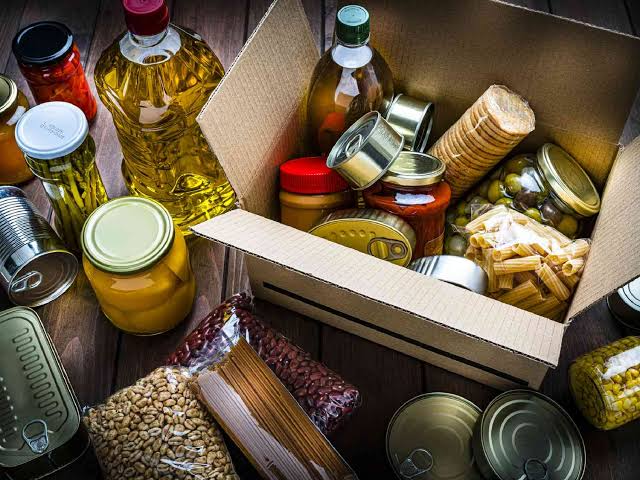
Every June, the Atlantic hurricane season opens and the same pattern plays out across South Florida. Households that have not thought about storm prep since last October suddenly remember they need to. By the time a named storm enters the Gulf or turns toward the Florida coast, grocery store shelves in Margate, FL are already thinning. Water goes first. Then canned goods, bread, and peanut butter. By the time the cone tightens, whatever is left is the difficult selection nobody planned around.
The households that move through that same period calmly are not better at spotting storms early. They built their pantry in February and rotated through it all year. They are not panic shopping in a crowded store two days before landfall. They are topping off two or three specific items they used recently and already know they need.
Proactive hurricane pantry planning is not about storing a year of supplies in a closet. It is about maintaining a rotating stock of useful, familiar food that serves your household through a multi-day power outage without adding emergency shopping to an already stressful situation. This guide covers how to build that pantry across the season, what categories matter most, and how to handle the refrigerator, freezer, and last-minute shopping window when a storm actually threatens.
Why Proactive Planning Beats Panic Shopping Every Time
The case for building your hurricane pantry during the off-season rather than when a storm is approaching comes down to four practical advantages that compound on each other.
Cost. Panic shopping happens at full price, because there is no time to wait for sales or compare options. A pantry built gradually through the year catches proteins, canned goods, and shelf-stable staples at promotional prices, reducing the per-item cost across every category. Hurricane season pantry planning in Margate, FL that starts in January and builds slowly through spring costs meaningfully less than assembling the same pantry in 72 hours under pressure.
Selection. When a storm enters the forecast cone, whatever the store has left is what you get. Specific items you rely on, particular brands your household prefers, specialty items for dietary needs or young children, all of these disappear early. A pre-built pantry means you are shopping for your household’s actual preferences rather than whatever is still on the shelf.
Stress. Pre-storm shopping lines, empty shelves, and competitive parking lots are a real feature of Florida hurricane preparation. Households that arrive at that 72-hour window needing only a few specific top-offs experience an entirely different level of stress than those starting from an empty pantry.
Shortage avoidance. In major storm events, supply chains to South Florida can be disrupted for days before and after landfall. Stores that were fully stocked on Monday can be stripped by Wednesday. A household that is fully stocked before the storm enters the cone is insulated from all of this entirely.
The Categories of a Complete Hurricane Pantry
A well-built storm prep pantry in Florida covers six categories. Each serves a different function during a multi-day outage, and a gap in any one of them creates a real problem when the power has been out for 36 hours and stores are closed or inaccessible.
Shelf-Stable Proteins
Protein is the most important nutritional category to stock and the one most households understock in their hurricane grocery list. Without refrigeration, the protein options narrow quickly, which makes variety in shelf-stable protein critical for multi-day outages.
Build this category with:
- Canned tuna, salmon, sardines, and mackerel
- Canned chicken breast
- Canned beans of multiple types: black beans, kidney beans, chickpeas, and lentils
- Canned chili with and without meat
- Peanut butter and almond butter in sealed jars
- Nuts and trail mix in sealed packages
- Shelf-stable jerky in resealable packaging
- Canned Vienna sausages or SPAM for households that will eat them
The target for a household of four during a potential five-day outage is protein coverage for at least two servings per person per day without refrigeration. Plan quantities against that target rather than buying a general assortment and hoping it is enough.
No-Refrigeration Meals
Shelf-stable proteins need to combine into actual meals, which requires a set of no-power food planning staples that work without cooking or with minimal heat from a camp stove or propane burner.
Build this category with:
- Crackers in sealed sleeves rather than large open boxes, which go stale faster after opening
- Dried pasta and instant rice, which cook quickly on a propane burner with minimal fuel use
- Instant oatmeal packets for easy no-mess breakfast
- Shelf-stable bread, tortillas in sealed packaging, or pita bread
- Canned soups and stews that can be eaten at room temperature or heated simply
- Jarred pasta sauce to pair with dried pasta
- Canned fruit in juice for a fresh-substitute option
- Dried fruit and fruit leather for snacking
- Instant mashed potato packets
- Packaged ramen or instant noodle cups requiring only hot water
The combination of shelf-stable proteins and no-refrigeration meal bases should allow your household to assemble complete, recognizable meals without electricity. That matters more than it sounds after 48 hours without power in Florida summer heat.
Water and Hydration
Water is the non-negotiable first priority in any emergency food supply in Florida. The standard emergency guideline from FEMA is one gallon of water per person per day for drinking and sanitation. For a South Florida household in summer heat, where physical activity and heat stress increase fluid needs, planning for one and a half gallons per person per day is more realistic.
For a household of four over a seven-day planning window, that is 28 to 42 gallons of stored water before factoring in any additional needs for cooking or sanitation.
Build this category with:
- Commercially sealed water in gallon jugs as the primary supply
- Individual bottled water for portability during evacuations or when power is restored in phases
- Water in large stackable containers for longer-term storage if space allows
- Electrolyte drinks and powders for heat stress during extended outages without air conditioning
- Juice boxes or shelf-stable juice as a secondary hydration and morale option
- Coffee and tea in non-perishable form for households that depend on caffeine
Water storage should be in a cool, dark location away from direct sunlight and any chemicals or fuel. Rotate commercially sealed water every six to twelve months even if unused.
Non-Perishable Comfort Foods That Maintain Morale
This category is the one most practical guides underemphasize, and it is one of the most important for households with children or anyone managing the psychological stress of a multi-day outage.
Extended power outages in Florida heat, without air conditioning, without normal routines, and with uncertainty about when conditions will improve, are genuinely difficult. Familiar, enjoyable food is a real morale factor that affects how the household manages the situation.
Build this category with:
- Chocolate and candy that holds in heat, specifically hard candies, wrapped chocolate, and packaged cookies rather than items that melt or soften quickly
- Microwave popcorn, which can be popped over a propane burner in a covered pot as a low-effort snack
- Individual snack packs of chips, crackers, and pretzels
- Coffee in instant form or ground for a French press if you have propane
- Hot cocoa and instant drink mixes
- Shelf-stable pudding cups and applesauce pouches, particularly for children
- Hard candy and individually wrapped treats that distribute easily
- Cereal that can be eaten dry if needed
These are not the nutritionally critical items in the pantry. They are the items that help a stressed household feel some normalcy during an abnormal situation, which has real practical value for how people manage through extended outages.
Baby, Children, and Pet Supplies
Specialty needs for the most vulnerable members of a household are among the first items to disappear from store shelves before a storm. These require specific planning and earlier stocking than general supplies.
For households with infants and young children:
- Formula in sufficient quantity for the full outage window plus additional buffer
- Baby food pouches and jars appropriate for the child’s current stage
- Diapers and wipes in quantities that cover the outage period plus several days beyond
- Any medications or specialty foods the child requires
- Familiar comfort snacks that the child will eat under stress
For pet-owning households:
- Dry pet food in sealed containers for at least ten days
- Canned pet food as a supplement or primary food depending on the pet’s needs
- Bottled water allocated specifically for pet hydration
- Any medications the pet requires with sufficient supply
- Portable food and water bowls for evacuation scenarios
Both of these sub-categories should be stocked before the general pantry build begins, because specialty supply shortages are harder to work around than general food shortages.
Manual-Prep Staples That Need No Electricity
A complete hurricane pantry requires the tools and staples to actually use the food stored in it. Without electricity, standard kitchen tools stop working, and the cooking process changes entirely.
Equipment to have ready:
- A propane camp stove with sufficient fuel canisters for the full outage window, calculated at roughly one canister per two days of cooking
- A manual can opener, because electric can openers are useless without power
- A French press or pour-over coffee setup if the household depends on coffee
- Waterproof matches and a lighter as backup ignition
- Disposable plates, bowls, and utensils to minimize dishwashing without running water
Staples that work without electricity:
- Salt, pepper, and basic spice packets that do not require refrigeration after opening
- Shelf-stable hot sauce and condiment packets
- Cooking oil in a sealed container
- Honey and shelf-stable jam
- Instant coffee and shelf-stable creamer
How to Build the Hurricane Pantry Across the Season Instead of All at Once
The most sustainable approach to Margate hurricane preparation is to treat the pantry build as a gradual process across the off-season rather than a single emergency purchase event.
The Atlantic hurricane season runs June 1 through November 30. That means the practical preparation window runs from January through May, before the season opens and before the promotional messaging around storm prep drives up demand and empties specific categories.
A practical off-season build schedule looks like this.
January and February: Start with water. Buy four to six gallons per household member and store them properly. Also stock a one-month supply of any specialty items including pet food, formula, and medications.
March: Build the canned protein category. Use weekly grocery promotions at your grocery store in Margate, FL to buy canned tuna, beans, chili, and other shelf-stable proteins when they are on sale. Aim for two to three weeks of full coverage.
April: Add no-refrigeration meal staples including crackers, dried pasta, instant oatmeal, and canned soups. Also stock the comfort food category and any manual-prep equipment you are missing.
May: Conduct a full pantry review before the season opens. Check expiration dates. Replace anything that has been used. Confirm water supply. Verify that equipment including the camp stove and can opener is functional and accessible.
June through November: Maintain the rotation through the season. Use pantry items in normal cooking and replace them as they are used. Check the pantry monthly and address any gaps.
This approach distributes cost across five months, catches items at promotional prices instead of panic prices, and ensures the pantry is fully stocked when the season opens rather than assembled under pressure.
The Rotation Principle: Use and Replace Through the Year
A hurricane pantry that sits untouched until a storm threatens creates its own problem: expired food. Canned goods typically carry three to five year shelf lives, but crackers, nuts, dried fruit, and packaged snacks often expire within twelve to eighteen months. A pantry that is stocked and forgotten will contain expired items when you need them most.
The rotation principle solves this by treating hurricane pantry items as part of the household’s normal food supply rather than a separate emergency reserve.
In practice, this means cooking with canned beans, tuna, and soups regularly and replacing them after use. It means eating through crackers, snacks, and dried goods during normal weeks and restocking when they run low. It means checking expiration dates quarterly and pulling anything expiring within three months into regular use rather than letting it expire in place.
A pantry maintained on rotation is both always current and always ready. There is nothing to do before a storm beyond confirming that quantities are sufficient and topping off anything that has been recently used.
What to Have Ready in the Freezer and Refrigerator for the First 24 to 48 Hours
The refrigerator and freezer serve a specific and time-limited role in hurricane preparation. They bridge the first 24 to 48 hours of an outage before the temperature inside rises enough to compromise food safety.
A full freezer maintains safe temperatures longer than a partially full one. A refrigerator that is kept cold before the outage begins holds temperature for four hours without power if the door stays closed.
Freezer Strategy
In the days before a storm, fill any empty freezer space with containers of frozen solid water. These serve as additional thermal mass that extends how long the freezer stays cold. They also provide clean water as they melt.
Prioritize cooking and eating any proteins from the freezer in the days before the storm rather than leaving them to risk during the outage. A full meal of frozen proteins eaten on the evening before landfall is better than leaving them to potentially spoil.
Keep a freezer thermometer so you can assess temperature after power is restored without opening the door repeatedly. The USDA guideline is that food held at 40 degrees Fahrenheit or below is safe. Food that has risen above 40 degrees for more than two hours should be discarded, not refrozen.
Refrigerator Strategy
Hard cheeses, eggs, butter, and condiments in sealed containers hold longest in the refrigerator during an outage. Soft cheeses, fresh proteins, and opened dairy products deteriorate fastest.
Before a storm, prepare and refrigerate easy-to-eat foods that work as the first meals after power goes out: cooked rice, hard-boiled eggs, cut vegetables, and simple prepared dishes that can be eaten cold without reheating. These extend the refrigerator’s useful contribution into the outage period without requiring electricity to prepare.
Category-by-Category Margate Household Hurricane Shopping List
Use this as a master reference for your hurricane pantry build across the season.
Water and Hydration:
- Gallon water jugs (minimum 1.5 gallons per person per day, 7-day minimum)
- Individual bottled water for portability
- Electrolyte powder packets or sports drinks
- Shelf-stable juice boxes
- Instant coffee and tea
Shelf-Stable Proteins:
- Canned tuna (6 to 12 cans per household)
- Canned salmon and sardines
- Canned chicken breast
- Canned chili with and without beans
- Peanut butter and nut butter (2 to 3 jars)
- Mixed nuts and trail mix (sealed packages)
- Beef or turkey jerky
- Canned Vienna sausages or SPAM
No-Refrigeration Meal Bases:
- Dried pasta (multiple varieties)
- Instant rice packets
- Instant oatmeal (individual packets)
- Crackers in sealed sleeves
- Shelf-stable tortillas or pita
- Canned soups and stews (6 to 10 cans)
- Jarred pasta sauce (4 to 6 jars)
- Instant mashed potato packets
- Ramen or instant noodle cups
Canned and Shelf-Stable Produce:
- Canned diced tomatoes and tomato paste
- Canned corn and green beans
- Canned fruit in juice
- Shelf-stable applesauce pouches
- Dried fruit and raisins
Comfort and Morale Foods:
- Hard candy and individually wrapped chocolate
- Packaged cookies and snack crackers
- Individual chip and pretzel packs
- Instant hot chocolate and drink mixes
- Shelf-stable pudding cups
- Microwave popcorn (poppable on a propane burner)
- Dry cereal
Manual-Prep Equipment and Staples:
- Propane camp stove and extra fuel canisters
- Manual can opener
- Waterproof matches and lighter
- Disposable plates, bowls, and utensils
- Salt, pepper, and basic spice packets
- Cooking oil in sealed container
- Honey and shelf-stable jam
Specialty Supplies:
- Formula and baby food for infants
- Diapers and wipes
- Children’s medications and vitamins
- Dry and canned pet food for ten or more days
- Pet medications with sufficient supply buffer
- Portable pet food and water bowls
The Pre-Storm Shopping Run: A 72-Hour Window Checklist
When a storm enters the forecast cone and the 72-hour window begins, the shopping approach changes entirely. This is not the time to build the pantry. It is the time to top off specific gaps and gather fresh items that will serve the household through the first phase of the outage.
A household with a well-maintained rotation pantry needs only a short, targeted list at this stage.
72-Hour Pre-Storm Shopping Checklist:
- Water top-off: Confirm stored water quantity and buy additional gallons if any gap exists against your household’s calculation
- Ice: Buy as much as practical and store in a dedicated cooler for the outage period
- Fresh bread and tortillas: Use in the first 24 hours before they deteriorate
- Fresh fruit that holds without refrigeration: Bananas, apples, oranges, and citrus travel well through an outage
- Eggs: Hard-boil a full batch before the storm arrives for easy refrigerator-phase meals
- Proteins to cook before landfall: Any fresh chicken, ground beef, or other proteins to prepare as ready-to-eat meals that work cold or reheated on a camp stove
- Baby and pet supply confirmation: Verify quantities are sufficient and buy any shortfall immediately, because these disappear earliest
- Propane top-off: Confirm camp stove fuel supply and buy additional canisters if needed
- Any prescription medications: Fill any prescriptions due within the next two weeks before the storm, because pharmacies may close for extended periods after landfall
- Cash: ATMs and card readers may be unavailable after a storm. Have cash on hand in small bills for any purchases during the recovery period
The pre-storm run should take one focused trip, ideally Wednesday or Thursday of the week a storm is projected to threaten Margate, before weekend shopping traffic and panic buying peaks. A household that has maintained its rotation pantry through the season will spend less than 20 minutes and a modest amount on this final top-off.
Build Your Hurricane Pantry at Key Food Coconut Creek
Starting your storm prep pantry in January rather than August is the single most effective thing a Margate household can do to reduce stress, cost, and risk when hurricane season gets active.
Key Food Coconut Creek carries the full range of shelf-stable proteins, canned goods, water, snacks, and pantry staples that make up a complete hurricane food supply in Florida. Whether you are building from scratch in the off-season, running a quarterly rotation check, or topping off a specific category before a storm, the store is stocked and ready to support every phase of a well-planned Margate hurricane preparation. Shop the weekly specials to build your pantry cost-effectively across the season, and arrive on June 1 already ready.
FAQs
When should Margate households start building their hurricane pantry? The best time to begin is January through May, before the June 1 hurricane season opens. Building gradually across the off-season distributes cost, catches items at promotional prices, and ensures the full pantry is in place before storm activity begins.
How much water does a Margate household need for hurricane preparation? The standard guideline is one gallon per person per day. In South Florida heat, planning for one and a half gallons per person per day is more realistic for a minimum seven-day supply. A household of four should store 28 to 42 gallons as a baseline.
What are the most important items on a hurricane grocery list for Florida households? Water is the first priority. After water, shelf-stable proteins including canned beans, tuna, peanut butter, and canned chicken provide the most nutritional value. No-refrigeration meal bases like crackers, instant rice, dried pasta, and canned soups complete the core. Specialty items for infants and pets should be stocked before general supplies because they disappear earliest from store shelves.
What is the rotation principle for hurricane pantry planning? The rotation principle means using hurricane pantry items in normal weekly cooking and replacing them as they are used rather than storing them untouched until a storm threatens. This keeps all pantry items within their expiration dates and keeps the pantry always ready without any dedicated maintenance effort.
How long does a refrigerator stay safe during a power outage? A refrigerator with the door kept closed maintains safe temperatures for approximately four hours after power loss. A full freezer maintains safe temperatures for approximately 48 hours. A half-full freezer maintains safe temperatures for about 24 hours. Food that rises above 40 degrees Fahrenheit for more than two hours should be discarded.
What should I buy during the 72-hour pre-storm shopping window? Focus on topping off water, buying ice, picking up fresh bread and fruit that will hold through the first day, hard-boiling eggs, buying any fresh proteins to cook before landfall, confirming baby and pet supply quantities, and topping off propane for the camp stove. A household with a maintained rotation pantry should need only a short, targeted trip at this stage.
Why do grocery stores in Margate, FL run out of supplies so quickly before a storm? Concentrated demand across an entire region hits store shelves simultaneously during the 72-hour pre-storm window. Water, bread, canned goods, and batteries are purchased by thousands of households at the same time. Supply chains cannot restock fast enough to offset that volume of demand, which is why proactive planning before the season is the only reliable solution.